Lawn to Garden
5 Garden Styles to Know Before You Replace Your Front Lawn
5 Garden Styles to Know Before You Replace Your Front Lawn
5
min read

When people decide to turn their front lawn into a garden, they usually get stuck on the very first question: where do I even start? They research plants, read about how to remove the lawn, and make lists of tools, but they rarely pause to consider what garden style they actually want to create.
When I began my own journey, I was convinced I wanted a classic English cottage garden. What I quickly realized was that my open front lawn wasn’t the perfect setting for that look. That realization sent me on a path of learning about other garden styles. You can read more about that journey here: How I Turned My Front Lawn Into a Garden.
The good news is that you don’t have to commit to one rigid style. Many of the most beautiful garden estates in the United States are actually a collection of different influences—French formality, Italian Renaissance structure, English borders—woven together into one landscape. But understanding which styles you’re drawn to the most will guide every decision you make, from your first flower bed to the final finishing touches.
Style | Maintenance | Best For | Zone 7 Friendly? |
|---|---|---|---|
Meadow | Low–Med | Pollinator lovers | ✓ |
Cottage | Med–High | Flower obsessives | ✓ with heat-tolerant picks |
Formal | Med | Low-maintenance seekers | ✓ |
Cape Cod | Low–Med | New England vibe lovers | ✓ with cold-tolerant picks |
Colonial Cottage | Low–Med | Busy garden lovers | ✓ Built for it |

Real plants. Real garden.
Honest perspective.
I share what works in my garden, including the mistakes!
1. Meadow Garden

A meadow garden is a planting style that mimics the look of natural grasslands, using a mix of ornamental grasses and flowering perennials to create a soft, flowing tapestry. It has become especially popular with pollinator lovers, native plant enthusiasts, and the “no‑lawn” crowd who want something more alive and dynamic than a traditional front yard.
Many meadow gardens lean heavily on native plants, but they don’t have to be 100% native to capture the look and ecological benefits. The real focus is on long‑blooming perennials and grasses that provide movement, habitat, and interest across multiple seasons.
There’s also a persistent misconception that a meadow is what happens when you simply stop mowing your lawn and let nature take over. In reality, the most beautiful meadow gardens are intentionally designed and actively maintained. Without some planning and editing, a few aggressive species can quickly dominate and turn the planting into a weedy patch rather than a garden.
Who it’s for: Gardeners who love a natural, slightly wild look; people who want more life and diversity than a traditional lawn; anyone excited about supporting pollinators and wildlife.
Pros: Visually dynamic, with lots of movement and seasonal change; can be less dependent on watering and mowing once established; provides excellent habitat for insects and birds; feels current without being overly formal.
Cons: Requires thoughtful planning and ongoing editing so it doesn’t become chaotic; some neighbors or HOAs may see it as “messy”; early spring and winter can look bare or scruffy compared to more structured styles.
2. Cottage Garden
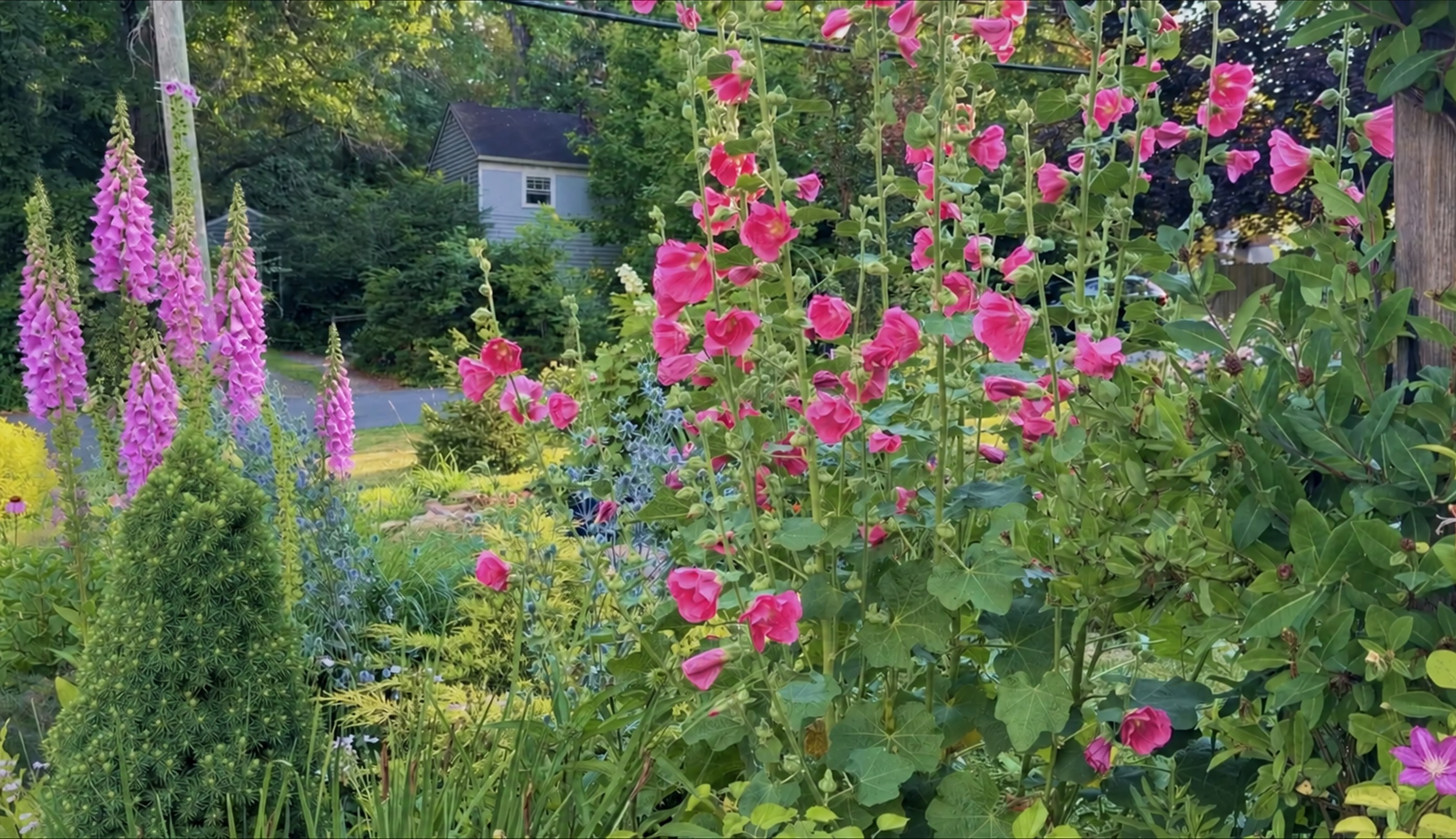
Few garden styles feel as romantic as a traditional cottage garden. Imagine overflowing borders filled with roses, foxgloves, hollyhocks, peonies, salvias, and self‑seeding annuals. Plants mingle together, spill over paths, and create an atmosphere that feels abundant and a little bit old‑fashioned in the best way. There’s always something to look at, and the garden feels more like a lived‑in space than a formal display.
In cooler, milder climates, classic cottage flowers can carry a border through much of the growing season. In hotter parts of the United States, especially Zone 7 and up, many of those traditional “English” plants shine in spring and early summer, then quietly retreat once the heat arrives. Without a second layer of tougher, heat‑loving perennials and shrubs, a cottage‑style front yard can look tired by July, even if it was magical in May.
Who it’s for: Gardeners who are happiest surrounded by flowers; people who love a slightly old‑world, romantic look; anyone who doesn’t mind fussing with plants a bit to keep them at their best.
Pros: Delivers that storybook, flower‑filled look so many people dream about; easy to personalize with favorite plants and sentimental varieties; feels welcoming and informal in front of traditional homes. When you add heat‑tolerant perennials and shrubs, you can still get strong summer and fall color even in warmer climates.
Cons: Needs regular maintenance—staking tall plants, deadheading, pruning, and editing self‑sowers—to keep paths clear and the front of the house visible. In hot summers, many classic cottage plants bloom early and then sulk, so without planning for later‑season plants, the garden can look crispy or bare just when you’re using your front yard the most.
3. Formal (Estate‑Style) Garden

Formal gardens are built around structure first and plants second. Inspired by the grounds of historic estates, they rely on symmetry, straight paths, clipped hedges, and strong shapes to create a calm, orderly feel. Flowers still play an important role, but they’re usually arranged in defined beds and repeated patterns rather than spilling freely over every edge.
In a front yard, that structure can be especially helpful. Clean lines, clear paths, and evergreen bones make the garden look intentional from the street in every season, even when fewer plants are in bloom. You’ll often see boxwoods, yews, topiary, gravel or brick paths, and a few well‑placed focal points like urns or obelisks anchoring the space.
Who it’s for: People who like things tidy, symmetrical, and timeless; homeowners with more formal architecture; anyone who wants their front yard to look “finished” year‑round with less seasonal chaos.
Pros: Strong year‑round structure; usually easier to keep neat from the street; works well with Colonial, Georgian, or other traditional homes; simpler plant palettes can make maintenance more predictable. It also pairs beautifully with seasonal containers and annuals, since there’s a clear framework to decorate.
Cons: Can feel too stiff or serious if you crave a wilder, more romantic look; clipped hedges and defined edges require consistent pruning; plant diversity is often lower than in meadow or cottage styles. If you lean too hard into structure without enough flowers or movement, the garden can start to feel more like a front entry “scheme” than a lived‑in landscape.
4. Classic Cape Cod Garden
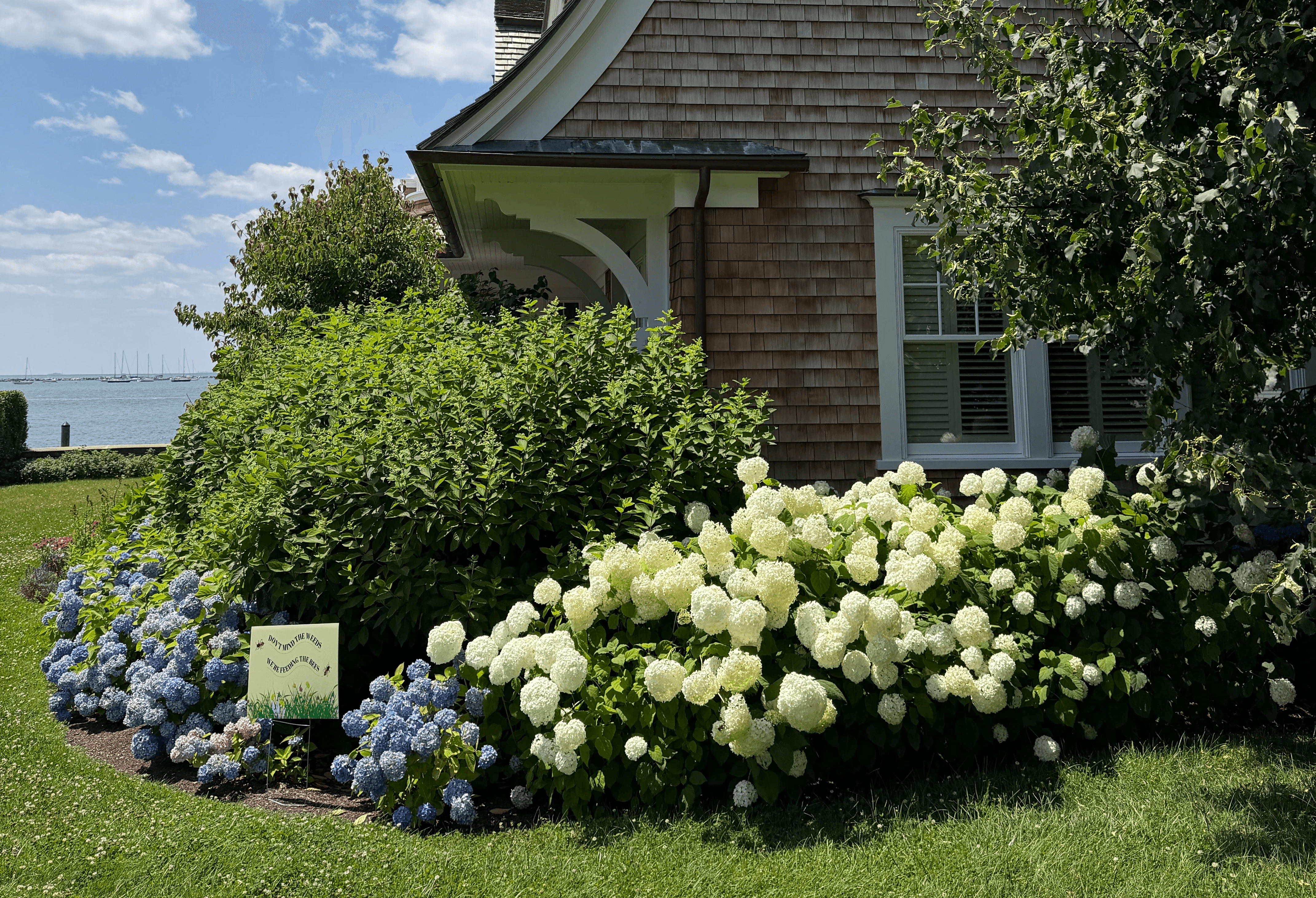
Classic Cape Cod gardens blend traditional New England charm with a relaxed, coastal feel. Hydrangeas are often the stars of the show, massed along foundations, fences, and property lines, with boxwoods, roses, and other flowering shrubs and perennials filling in around them. The color palette tends to be soft and simple—lots of blues, whites, pinks, and purples that echo the sky and water.
Compared to a cottage garden, Cape Cod planting usually feels a bit more pulled‑together and less wild. Shrubs do more of the heavy lifting, perennials play a supporting role, and the overall look is lush but not chaotic. These gardens are especially beautiful around shingled, Colonial, and Cape‑style homes, where the architecture already has that classic New England character.
Who it’s for: Gardeners who love hydrangeas and a timeless, coastal look; people with traditional or shingled homes; anyone who wants a front yard that feels full and colorful without requiring cottage‑garden levels of editing.
Pros: Strong curb appeal with relatively simple plant choices; shrubs provide good structure and seasonal interest; the soft, cohesive color palette makes the garden feel calm and intentional. Once established, many of the key plants require less day‑to‑day fussing than a border full of tall, staking‑prone perennials.
Cons: Hydrangeas still need pruning and moisture to look their best, and in colder climates many bigleaf varieties can fail to bloom reliably after harsh winters or late frosts. If you choose the wrong types for your zone, you may get a lot of green growth and very few flowers, which is frustrating when the whole style depends on those big, showy blooms.
5. Colonial Cottage Garden
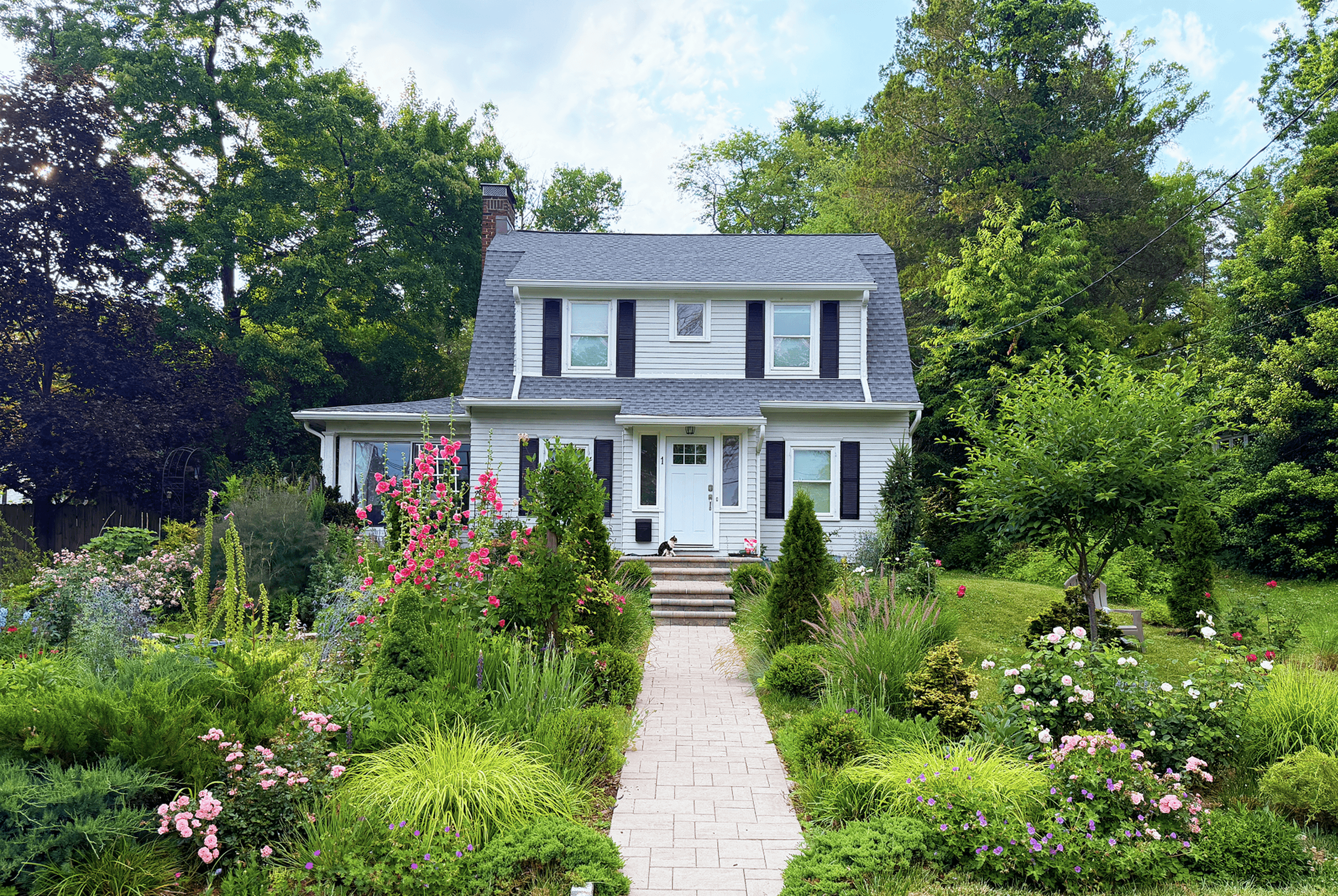
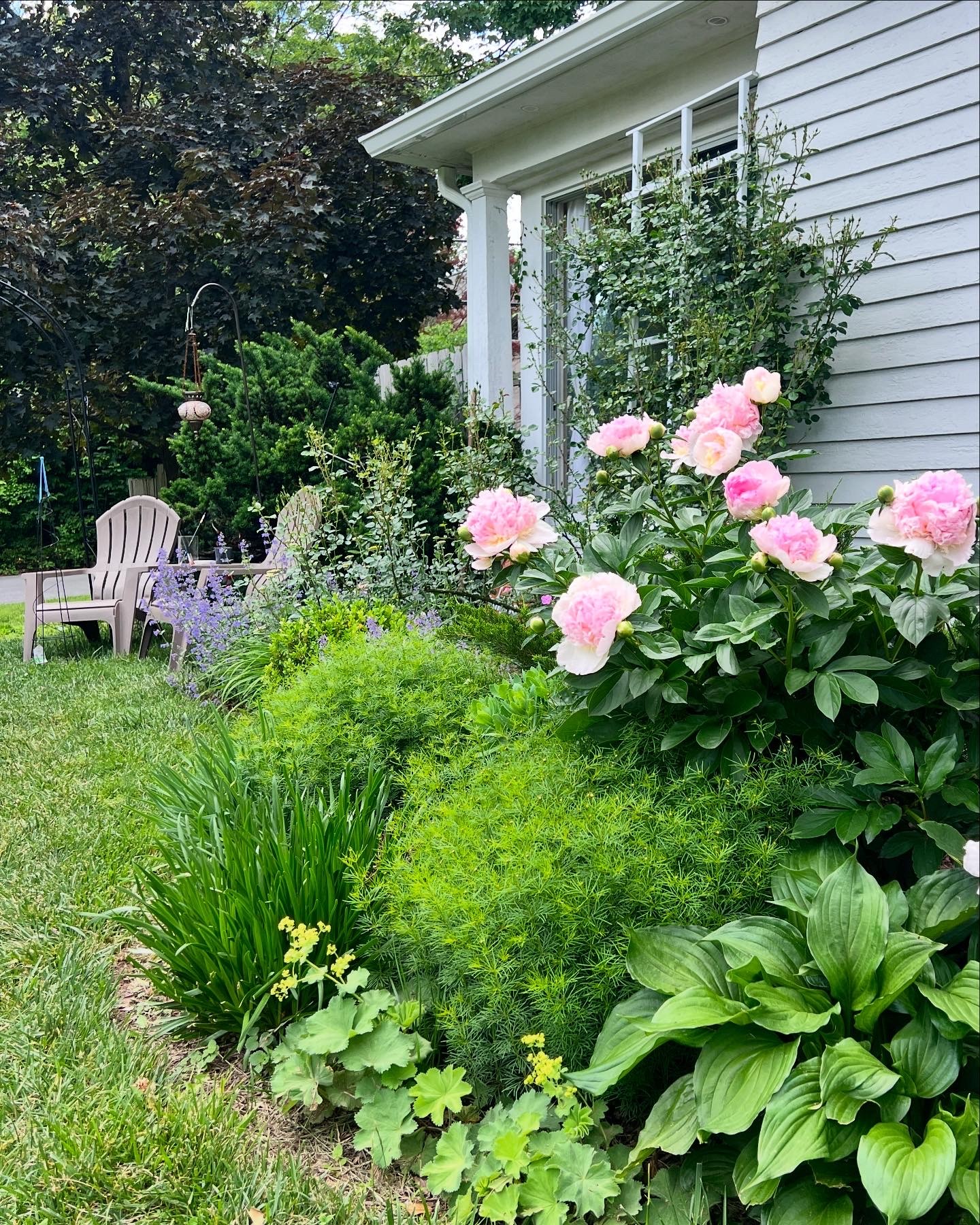
This is the style I coined for my own garden because it combines the parts of each style that actually work in a modern American front yard. It blends the movement and life of a meadow with the romance of cottage borders and the clear structure of a more formal garden, so the front yard feels abundant but still manageable when you have a busy life.
I came up with the Colonial Cottage Garden style through trial and discovery. I started by transforming my front lawn into a cottage garden, then fell in love with meadow planting, and eventually realized my New Jersey climate and schedule needed more backbone and fewer high‑maintenance divas. Over time, I shifted toward a layout with clear paths, evergreen anchors, flowering shrubs, and pockets of perennials and self‑seeders that could be edited without constant attention.
The planting philosophy is simple: build the bones first with evergreens and flowering shrubs, soften them with ornamental grasses, and then layer in perennials, roses, and self‑seeding flowers in waves so the garden looks good in spring, holds up in hot summers, and still has interest in winter—without requiring full‑time care.
Who it’s for: Gardeners who love flowers but also need a front yard that stays presentable between work, family, and everything else; anyone who wants the romance of cottage and the life of a meadow in a more structured, sustainable package.
Pros: Designed for real American front yards and real schedules, balancing long bloom with strong structure; easier to keep looking intentional from the street; flexible enough to add or subtract cottage and meadow elements as your time and taste evolve.
Cons: Requires more thought up front than simply copying an English cottage plant list or a pure meadow; shrubs, trees, and evergreens are slower to mature and may cost more initially; because it’s a hybrid, you’ll be doing some experimenting and editing as you discover what thrives in your particular climate and soil.
How to Choose Your Garden Style
Choosing a garden style doesn’t lock you into a rigid set of rules—it simply gives you a starting point. Whether you’re drawn to the wildness of a meadow, the romance of a cottage border, the calm of formal structure, the charm of Cape Cod, or a Colonial Cottage Garden hybrid, the most important thing is that you love how it feels when you step outside. Start with the style that excites you the most, then build your front lawn into a garden one bed, one season, and one experiment at a time.
Key Takeaways Summary
Style first, plants second; picking the wrong one costs you a full growing season of trial and error
Meadow gardens look effortless but need editing at least twice a year to be a garden and not a weed patch
Cottage borders are the most romantic option, but Zone 7A summers demand heat-tolerant swaps to avoid a bare, crispy midsummer lull
Formal gardens take the most structure up front but run themselves once hedges and beds are established
Cape Cod style suits shingled and coastal-adjacent homes, leaning on hydrangeas and roses for a soft, pulled-together look
Colonial Cottage Garden — the hybrid I built for real, busy schedules — puts structure first, then layers in grasses, shrubs, roses, and perennials
When people decide to turn their front lawn into a garden, they usually get stuck on the very first question: where do I even start? They research plants, read about how to remove the lawn, and make lists of tools, but they rarely pause to consider what garden style they actually want to create.
When I began my own journey, I was convinced I wanted a classic English cottage garden. What I quickly realized was that my open front lawn wasn’t the perfect setting for that look. That realization sent me on a path of learning about other garden styles. You can read more about that journey here: How I Turned My Front Lawn Into a Garden.
The good news is that you don’t have to commit to one rigid style. Many of the most beautiful garden estates in the United States are actually a collection of different influences—French formality, Italian Renaissance structure, English borders—woven together into one landscape. But understanding which styles you’re drawn to the most will guide every decision you make, from your first flower bed to the final finishing touches.
Style | Maintenance | Best For | Zone 7 Friendly? |
|---|---|---|---|
Meadow | Low–Med | Pollinator lovers | ✓ |
Cottage | Med–High | Flower obsessives | ✓ with heat-tolerant picks |
Formal | Med | Low-maintenance seekers | ✓ |
Cape Cod | Low–Med | New England vibe lovers | ✓ with cold-tolerant picks |
Colonial Cottage | Low–Med | Busy garden lovers | ✓ Built for it |
Real plants. Real garden.
Honest perspective.
I share what works in my garden, including the mistakes!
1. Meadow Garden
A meadow garden is a planting style that mimics the look of natural grasslands, using a mix of ornamental grasses and flowering perennials to create a soft, flowing tapestry. It has become especially popular with pollinator lovers, native plant enthusiasts, and the “no‑lawn” crowd who want something more alive and dynamic than a traditional front yard.
Many meadow gardens lean heavily on native plants, but they don’t have to be 100% native to capture the look and ecological benefits. The real focus is on long‑blooming perennials and grasses that provide movement, habitat, and interest across multiple seasons.
There’s also a persistent misconception that a meadow is what happens when you simply stop mowing your lawn and let nature take over. In reality, the most beautiful meadow gardens are intentionally designed and actively maintained. Without some planning and editing, a few aggressive species can quickly dominate and turn the planting into a weedy patch rather than a garden.
Who it’s for: Gardeners who love a natural, slightly wild look; people who want more life and diversity than a traditional lawn; anyone excited about supporting pollinators and wildlife.
Pros: Visually dynamic, with lots of movement and seasonal change; can be less dependent on watering and mowing once established; provides excellent habitat for insects and birds; feels current without being overly formal.
Cons: Requires thoughtful planning and ongoing editing so it doesn’t become chaotic; some neighbors or HOAs may see it as “messy”; early spring and winter can look bare or scruffy compared to more structured styles.
2. Cottage Garden
Few garden styles feel as romantic as a traditional cottage garden. Imagine overflowing borders filled with roses, foxgloves, hollyhocks, peonies, salvias, and self‑seeding annuals. Plants mingle together, spill over paths, and create an atmosphere that feels abundant and a little bit old‑fashioned in the best way. There’s always something to look at, and the garden feels more like a lived‑in space than a formal display.
In cooler, milder climates, classic cottage flowers can carry a border through much of the growing season. In hotter parts of the United States, especially Zone 7 and up, many of those traditional “English” plants shine in spring and early summer, then quietly retreat once the heat arrives. Without a second layer of tougher, heat‑loving perennials and shrubs, a cottage‑style front yard can look tired by July, even if it was magical in May.
Who it’s for: Gardeners who are happiest surrounded by flowers; people who love a slightly old‑world, romantic look; anyone who doesn’t mind fussing with plants a bit to keep them at their best.
Pros: Delivers that storybook, flower‑filled look so many people dream about; easy to personalize with favorite plants and sentimental varieties; feels welcoming and informal in front of traditional homes. When you add heat‑tolerant perennials and shrubs, you can still get strong summer and fall color even in warmer climates.
Cons: Needs regular maintenance—staking tall plants, deadheading, pruning, and editing self‑sowers—to keep paths clear and the front of the house visible. In hot summers, many classic cottage plants bloom early and then sulk, so without planning for later‑season plants, the garden can look crispy or bare just when you’re using your front yard the most.
3. Formal (Estate‑Style) Garden
Formal gardens are built around structure first and plants second. Inspired by the grounds of historic estates, they rely on symmetry, straight paths, clipped hedges, and strong shapes to create a calm, orderly feel. Flowers still play an important role, but they’re usually arranged in defined beds and repeated patterns rather than spilling freely over every edge.
In a front yard, that structure can be especially helpful. Clean lines, clear paths, and evergreen bones make the garden look intentional from the street in every season, even when fewer plants are in bloom. You’ll often see boxwoods, yews, topiary, gravel or brick paths, and a few well‑placed focal points like urns or obelisks anchoring the space.
Who it’s for: People who like things tidy, symmetrical, and timeless; homeowners with more formal architecture; anyone who wants their front yard to look “finished” year‑round with less seasonal chaos.
Pros: Strong year‑round structure; usually easier to keep neat from the street; works well with Colonial, Georgian, or other traditional homes; simpler plant palettes can make maintenance more predictable. It also pairs beautifully with seasonal containers and annuals, since there’s a clear framework to decorate.
Cons: Can feel too stiff or serious if you crave a wilder, more romantic look; clipped hedges and defined edges require consistent pruning; plant diversity is often lower than in meadow or cottage styles. If you lean too hard into structure without enough flowers or movement, the garden can start to feel more like a front entry “scheme” than a lived‑in landscape.
4. Classic Cape Cod Garden
Classic Cape Cod gardens blend traditional New England charm with a relaxed, coastal feel. Hydrangeas are often the stars of the show, massed along foundations, fences, and property lines, with boxwoods, roses, and other flowering shrubs and perennials filling in around them. The color palette tends to be soft and simple—lots of blues, whites, pinks, and purples that echo the sky and water.
Compared to a cottage garden, Cape Cod planting usually feels a bit more pulled‑together and less wild. Shrubs do more of the heavy lifting, perennials play a supporting role, and the overall look is lush but not chaotic. These gardens are especially beautiful around shingled, Colonial, and Cape‑style homes, where the architecture already has that classic New England character.
Who it’s for: Gardeners who love hydrangeas and a timeless, coastal look; people with traditional or shingled homes; anyone who wants a front yard that feels full and colorful without requiring cottage‑garden levels of editing.
Pros: Strong curb appeal with relatively simple plant choices; shrubs provide good structure and seasonal interest; the soft, cohesive color palette makes the garden feel calm and intentional. Once established, many of the key plants require less day‑to‑day fussing than a border full of tall, staking‑prone perennials.
Cons: Hydrangeas still need pruning and moisture to look their best, and in colder climates many bigleaf varieties can fail to bloom reliably after harsh winters or late frosts. If you choose the wrong types for your zone, you may get a lot of green growth and very few flowers, which is frustrating when the whole style depends on those big, showy blooms.
5. Colonial Cottage Garden
This is the style I coined for my own garden because it combines the parts of each style that actually work in a modern American front yard. It blends the movement and life of a meadow with the romance of cottage borders and the clear structure of a more formal garden, so the front yard feels abundant but still manageable when you have a busy life.
I came up with the Colonial Cottage Garden style through trial and discovery. I started by transforming my front lawn into a cottage garden, then fell in love with meadow planting, and eventually realized my New Jersey climate and schedule needed more backbone and fewer high‑maintenance divas. Over time, I shifted toward a layout with clear paths, evergreen anchors, flowering shrubs, and pockets of perennials and self‑seeders that could be edited without constant attention.
The planting philosophy is simple: build the bones first with evergreens and flowering shrubs, soften them with ornamental grasses, and then layer in perennials, roses, and self‑seeding flowers in waves so the garden looks good in spring, holds up in hot summers, and still has interest in winter—without requiring full‑time care.
Who it’s for: Gardeners who love flowers but also need a front yard that stays presentable between work, family, and everything else; anyone who wants the romance of cottage and the life of a meadow in a more structured, sustainable package.
Pros: Designed for real American front yards and real schedules, balancing long bloom with strong structure; easier to keep looking intentional from the street; flexible enough to add or subtract cottage and meadow elements as your time and taste evolve.
Cons: Requires more thought up front than simply copying an English cottage plant list or a pure meadow; shrubs, trees, and evergreens are slower to mature and may cost more initially; because it’s a hybrid, you’ll be doing some experimenting and editing as you discover what thrives in your particular climate and soil.
How to Choose Your Garden Style
Choosing a garden style doesn’t lock you into a rigid set of rules—it simply gives you a starting point. Whether you’re drawn to the wildness of a meadow, the romance of a cottage border, the calm of formal structure, the charm of Cape Cod, or a Colonial Cottage Garden hybrid, the most important thing is that you love how it feels when you step outside. Start with the style that excites you the most, then build your front lawn into a garden one bed, one season, and one experiment at a time.
Key Takeaways Summary
Style first, plants second; picking the wrong one costs you a full growing season of trial and error
Meadow gardens look effortless but need editing at least twice a year to be a garden and not a weed patch
Cottage borders are the most romantic option, but Zone 7A summers demand heat-tolerant swaps to avoid a bare, crispy midsummer lull
Formal gardens take the most structure up front but run themselves once hedges and beds are established
Cape Cod style suits shingled and coastal-adjacent homes, leaning on hydrangeas and roses for a soft, pulled-together look
Colonial Cottage Garden — the hybrid I built for real, busy schedules — puts structure first, then layers in grasses, shrubs, roses, and perennials

Written by Jolanta Reynolds
You Might Like
You Might Like


You Might Like

Subscribe to my newsletter
Get new garden posts, seasonal tips, and what's blooming in my New Jersey cottage garden — straight to your inbox.
By subscribing, you agree to the Privacy Policy
Subscribe
to my
newsletter
Get new garden posts, seasonal tips, and what's blooming in my New Jersey cottage garden — straight to your inbox.
By subscribing, you agree to the Privacy Policy