Garden
Where to Plant Catmint for Maximum Impact (Cottage Garden Design Tips)
Where to Plant Catmint for Maximum Impact (Cottage Garden Design Tips)
5
min read

Catmint is one of those plants that looks absolutely stunning in some gardens and completely unremarkable in others. The difference isn't the plant — it's the placement. And once you understand why, you'll never look at a flower border the same way again!
The Problem With Catmint (Nepeta)
When you buy a catmint plant, it looks lush and green. Here is a typical quart pot you may be planting in your garden.
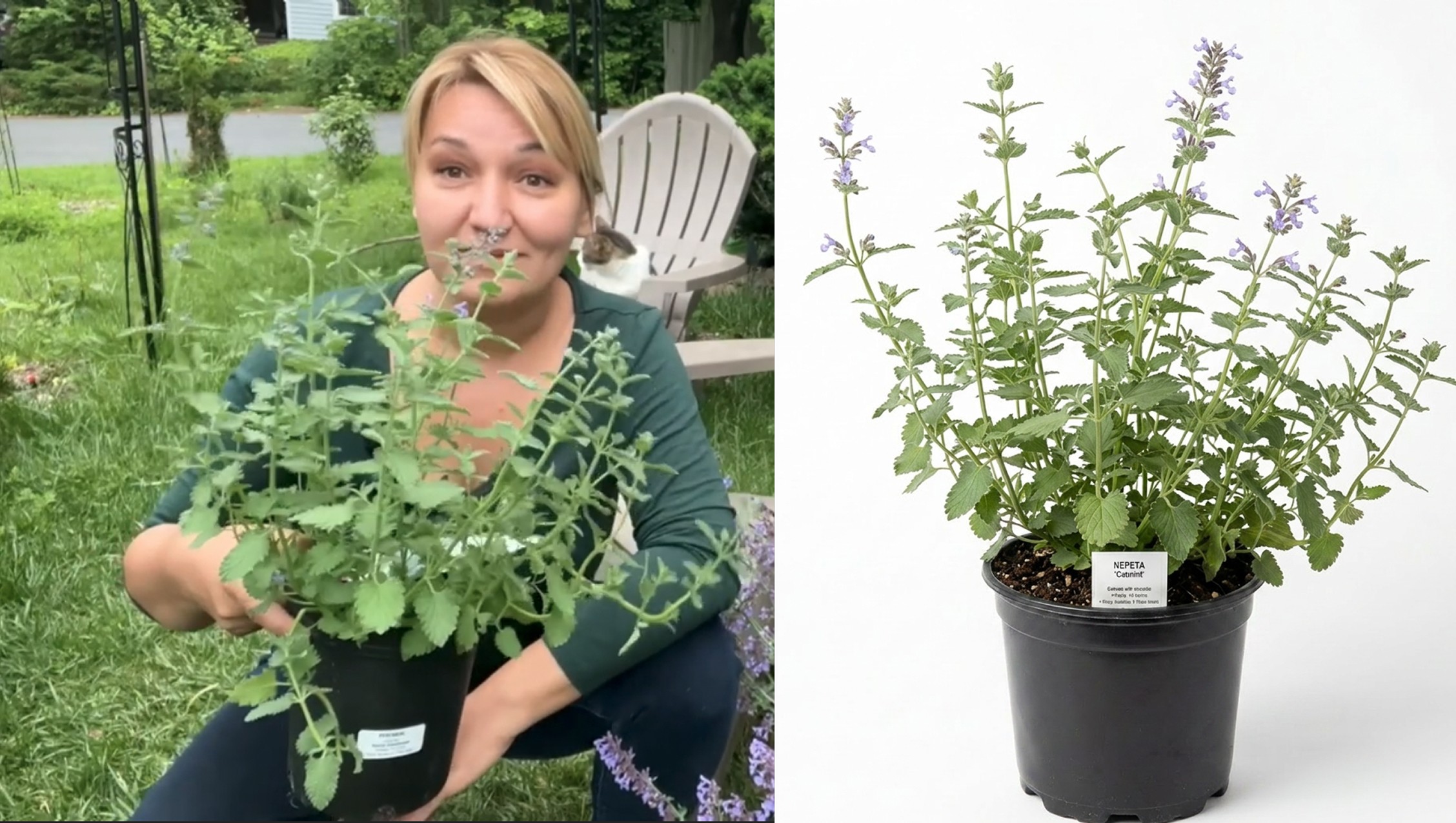
But once it goes in the ground and starts to grow, something shifts. The plant begins to grow long arching stems of flowers — and if you look closely, you'll notice they carry very few leaves. Whatever foliage they do have is a silvery, muted green. Not particularly striking on its own.
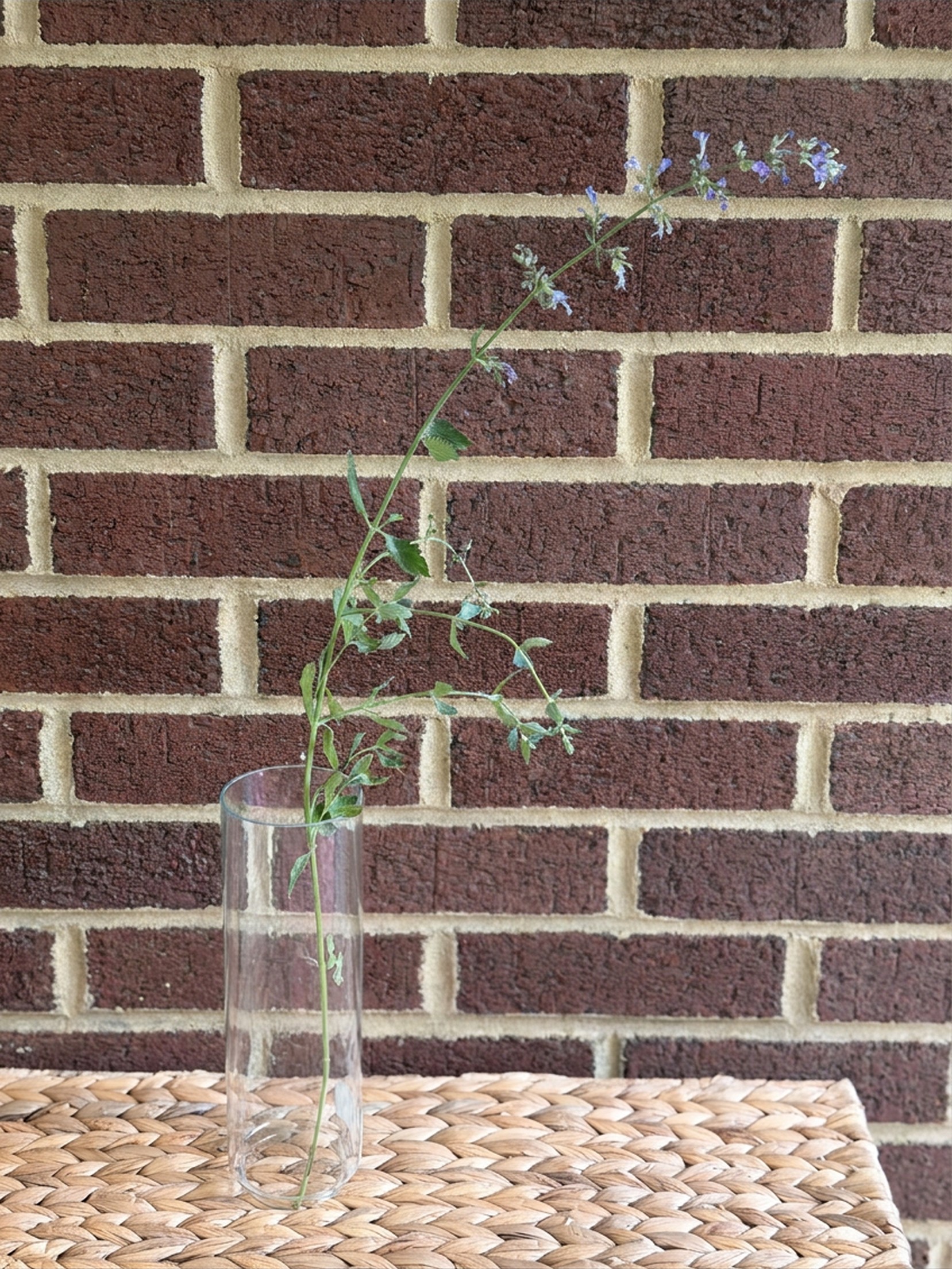
This is where most gardeners go wrong. They tuck catmint into a spot without thinking about what's behind it — and then wonder why those purple flowers never quite pop.
The Contrast Problem
Here's the thing about purple: it's not a loud color. It needs the right background to come alive.
I've seen catmint planted in stony landscapes or against grass that's gone a bit yellowish, and the result is always the same — the color becomes muted, almost disappearing into its surroundings. It's not unattractive exactly, just... flat.
Purple's complementary color on the color wheel is yellow. So one beautiful pairing is catmint with a citrusy yellow yarrow — the contrast is vibrant and striking. But there's an even better trick.
The Green Background Secret
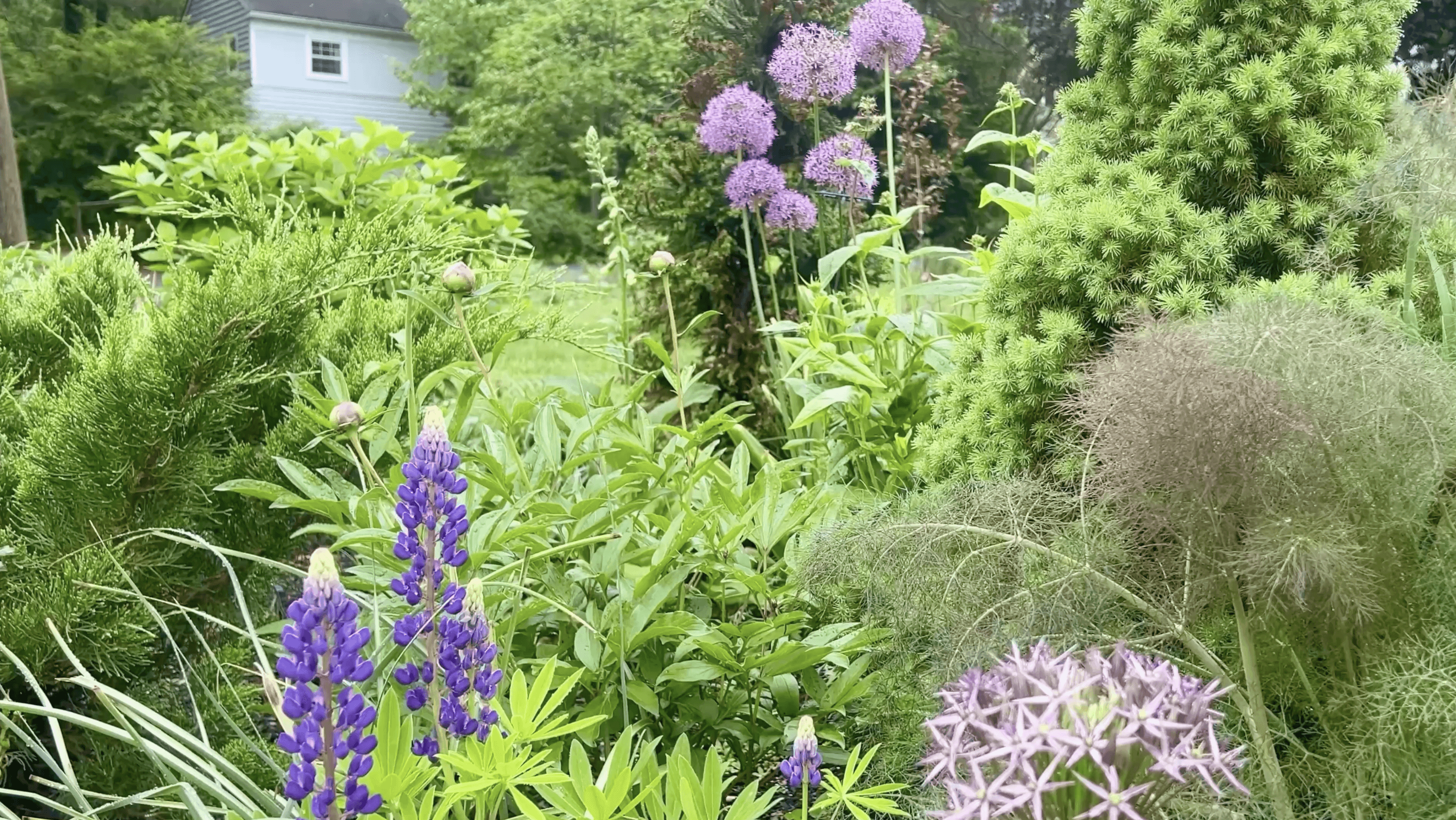
The most dramatic thing you can do for catmint is tuck it between two green perennials — whether they have a deep, rich green or a lemony, yellow-green color. That green background acts almost like the complementary yellow, and suddenly those purple flowers light up.
It's a huge difference. Against a brownish or neutral background, catmint reads as a pleasant purple blur. Against rich or lemony green, it becomes electric.
And here's the detail that really got me: at dusk, surrounded by deep green, catmint becomes almost translucent. It glows. It's one of those quiet magic moments in the garden that you don't expect until you've seen it.
Where It Works Best
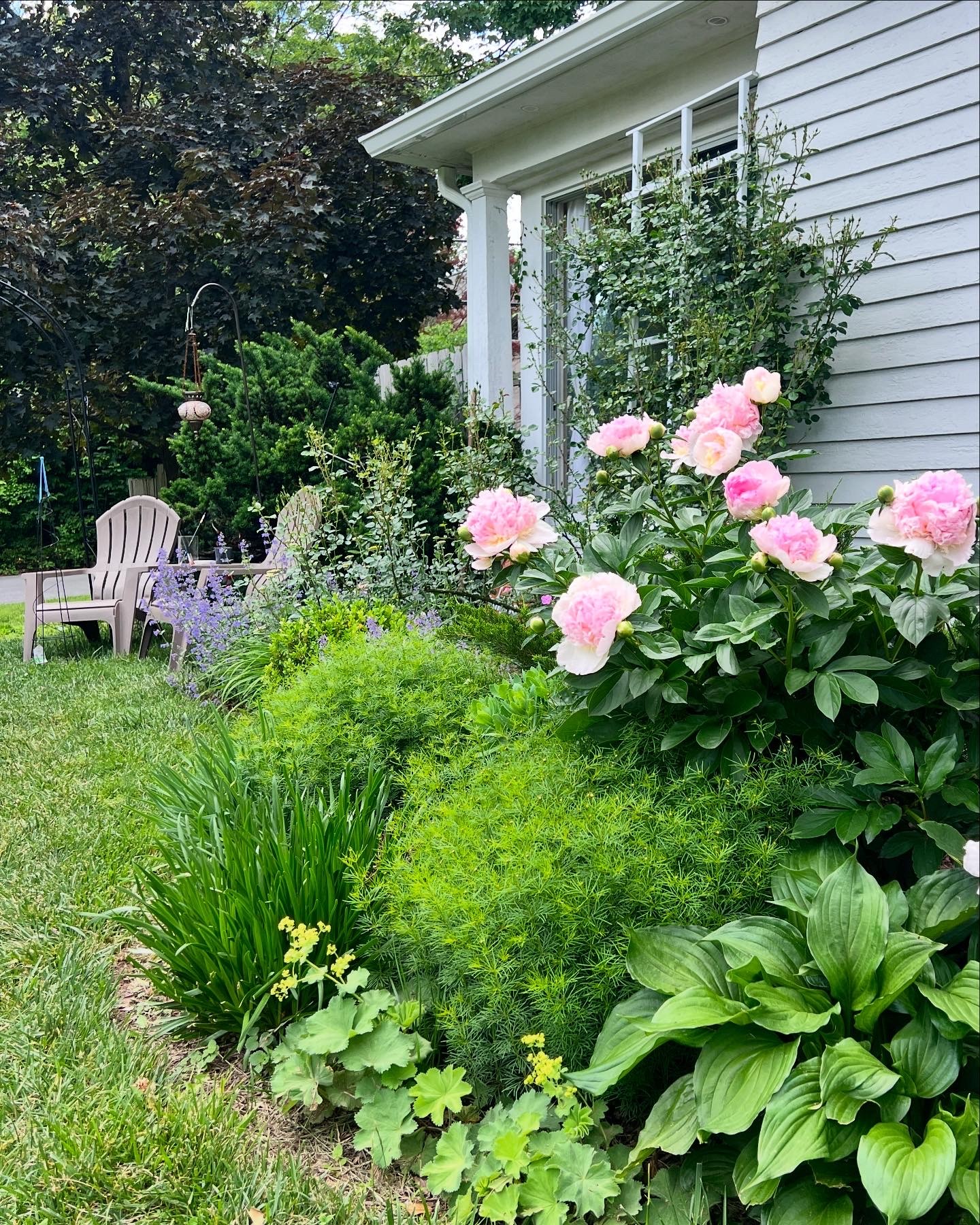
In between green shrubs. This is my favorite placement — catmint tucked between two different green shrubs at the front of a border, where those purple flowers spill slightly toward the path. It's the kind of effortless, abundant look that takes a border from "nice" to memorable.
Next to roses. Catmint is the classic rose companion, and for good reason. It works with yellows, oranges, pinks, apricots, deep purples — essentially any rose color you can throw at it. I have it growing next to Ambridge Rose and the combination is soft and romantic without being fussy.
The Takeaway
Catmint is not a plant you can plant anywhere and expect it to perform. It's a plant that needs a supporting cast — specifically, rich green neighbors that give its purple flowers the contrast they need to shine.
Get that right, and it becomes one of the most beautiful, long-blooming perennials in your garden. Get it wrong, and you'll spend the season wondering why everyone else's catmint looks better than yours.
Now you know the secret.
Growing catmint in your cottage garden? I'd love to see how you've paired it — drop a comment below or find me on YouTube at Colonial Cottage Garden.

Written by Jolanta Reynolds
Subscribe to my
newsletter
Get new garden posts, seasonal tips, and what's blooming in my New Jersey cottage garden — straight to your inbox.
By subscribing, you agree to the Privacy Policy
Subscribe
to my
newsletter
Get new garden posts, seasonal tips, and what's blooming in my New Jersey cottage garden — straight to your inbox.
By subscribing, you agree to the Privacy Policy