
Grow from Seed
How to Grow a Cosmos Meadow from Seed
How to Grow a Cosmos Meadow from Seed
5
min read
Growing Cosmos from Seed
Direct sow outdoors 1–2 weeks after your last spring frost
Light needed: Full sun (6+ hours daily)
Germination time: 7–10 days
Blooms in: 70–90 days from seed
Cosmos are one of the most magical flowers you can grow from seed. That lime-green feathery foliage and those delicate blooms swaying in the breeze — there is nothing quite like a cosmos meadow in full summer bloom.
They were so beautiful I really wanted to succeed growing them! So, I started cosmos indoors and babied them as if they were some exotic rare orchid.
That didn’t turn out that well!

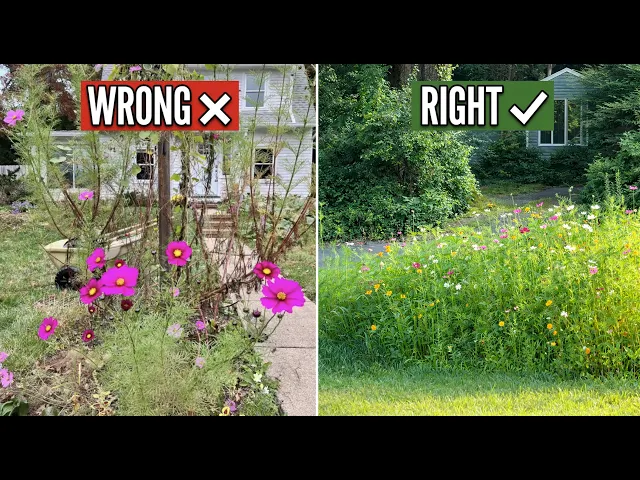
Look at these cosmos plants! That’s what I ended up with: over 6 feet tall, dry yellow leaves.
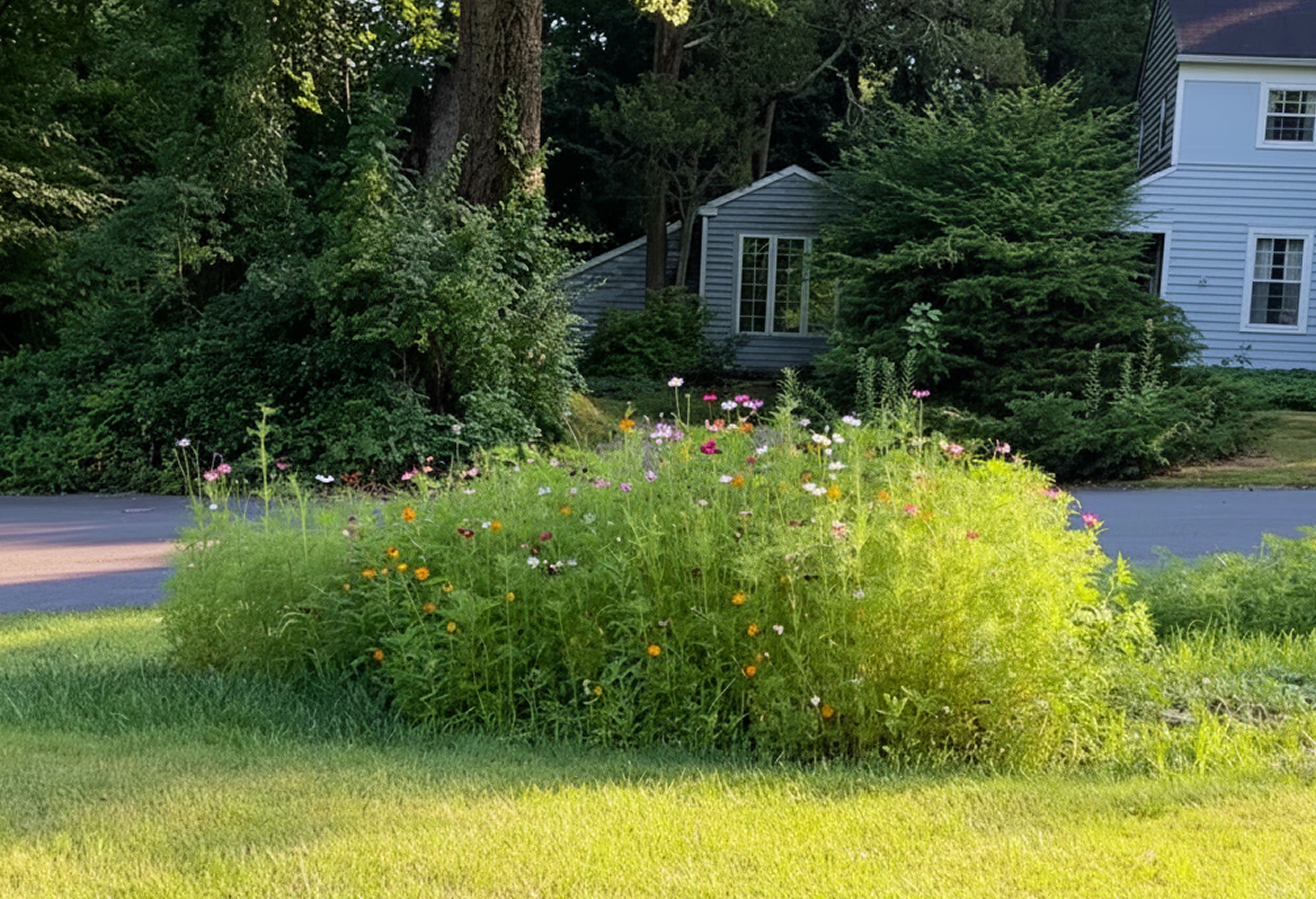
And this cosmos? Whimsical and airy. That’s the meadow I have since learned to plant.

Here’s how to plant a cosmos meadow that looks straight out of fairy land. And also how not to plant cosmos so you don’t make the mistakes I made.
The Right Way to Grow a Cosmos Meadow (Direct-Sow Technique)
To create a magical cosmos meadow, all you need is a space free of grass and weeds. Scatter seeds generously directly in the ground — I noticed that when you plant them densely, they don’t grow tall but instead create this lush, picturesque meadow you see in my photos. Then just water until seedlings appear.
That’s it!
Cosmos love full sun and don’t mind drought. Once your meadow takes off, it thrives with little care — even in peak summer heat. They are genuinely one of the most low-maintenance flowers you can grow, as long as you start them right.

Important - Sow densely.
One thing most people don’t realize: cosmos actually prefer poor soil. Rich, amended soil tells the plant to put its energy into leaves and stems rather than flowers. Think of it this way — a plant that has to work a little harder to find nutrients stays compact and blooms more. A pampered cosmos just grows tall and lazy.
Direct sowing also means the roots go straight down from day one, making the plant more drought-resistant and sturdy than a transplanted seedling.

Real plants. Real garden.
Honest perspective.
I share what works in my garden, including the mistakes!
Drought Warriors
If you want to take it a step further, you can mix in zinnias for even more color; they love the same lean, sunny conditions, so they blend right into a cosmos meadow. And if you’d like a bit of year‑to‑year continuity, tuck in a few perennial anchors like echinacea so your “annual” meadow has some bones that return every summer. One reason why I love echinacea and other tough annuals like cosmos and zinnias: they don’t blink at our hot, dry New Jersey summers. I didn’t water my meadows at all, and they still looked lovely and full of life. Once they’re established, their deep roots and “work for it” mindset make them true drought warriors in a cottage garden.
You can also watch my full video tutorial on YouTube here:
Which cosmos variety should you grow?
Not all cosmos behave the same way.
For Your Meadow
Cosmos bipinnatus is the most common type. Here I used the Sensation Cosmos Blend. They make the most beautiful meadow but can grow tall in rich soil. Sow densely to get this effect:

Get the Sensation Cosmos Blend here: https://tidd.ly/4nI1oqm
For a splash of color
YELLOW: Cosmos sulphureus gives you warm orange and yellow tones and is naturally more compact than bipinnatus. Beautiful for adding warmth to a cottage garden palette.

Get Cosmos sulphureus here: https://collabs.shop/q7y4w2
APRICOT: Apricotta is a 2021 Fleuroselect Novelty Award winner. Stunning apricot-pink blooms with yellow centers atop sturdy, tall stems make them ideal for cutting.

Get Apricotta here: https://tidd.ly/4v6S6H3
For Your Planter
If you want a more compact plant, look for the Cosmos dwarf varieties which stays around 2 feet — great in pots and much easier to manage in a mixed border.

Get it here - 10% off with this link: https://collabs.shop/a2snvn
When to Plant Cosmos Seeds (Direct Sowing Outdoors)
Direct sow after your last frost date when the soil has warmed up. In Zone 7A New Jersey, that’s mid to late April. You can sow until late Juy and even August! Cosmos germinate fast — you’ll see seedlings in 7 to 10 days.
For continuous blooms all season, sow a second batch 3 to 4 weeks after the first. This is called succession planting and it keeps your meadow looking fresh from early summer till late into the season.
So how did I end up with 6-foot monsters?
I was a newbie gardener and made three mistakes.
Mistake 1: I started seeds indoors too early.
The seedlings grew leggy and weak before they even hit the ground. Cosmos grow so fast that 4 to 6 weeks indoors is plenty — any longer and they outgrow their pots and struggle after transplanting.

Look at those super long stems!!
Mistake 2: I transplanted them as single plants.
I gave each plant its own space, like a tomato. But cosmos need to grow as a dense field — they lean on each other, support each other, and create that magical meadow effect together. A single cosmos plant is just a tall weedy stem. A hundred cosmos plants is a dream. Sow densely and let them be a community.

Mistake 3: I used rich soil.
Too much fertilizer means too much leafy growth at the expense of flowers. Cosmos want lean, ordinary soil. Skip the amendments entirely and let them work for their blooms.
The result of all three mistakes combined? Plants that kept growing and growing while the bottom leaves dried out in the sun. Plenty of buds but not many blooms — until November, when my cosmos finally put on a show. By then my whole garden was shades of brown anyway, so the brown stems blended right in. The pink flowers were still a joyful sight though.

One last thought
Cosmos are incredibly forgiving. Even my 6-foot jungle gave me flowers in the end. Don’t let the fear of mistakes stop you from trying — these are some of the easiest, most joyful flowers you can grow.
FAQ
Are cosmos difficult to grow from seed?
Not at all — cosmos are one of the easiest flowers to grow from seed. The key is to direct sow them straight into the ground after your last frost date rather than starting them indoors. Skip the rich soil and fertilizer, plant densely, and they practically take care of themselves.
What month do you sow cosmos seeds?
Direct sow after your last frost date when the soil has warmed up. In Zone 6-7 (New Jersey and similar climates) that’s mid to late April. You’ll see seedlings in 7 to 10 days.
Can I just throw cosmos seeds on the ground?
Pretty much yes! Clear the area of grass and weeds first, scatter seeds generously, press them lightly into the soil, and water. That’s genuinely all it takes. No digging, no special preparation needed.
Will cosmos flowers come back every year?
Cosmos are annuals so they won’t come back from the same plant — but they self-seed very readily. If you let some flowers go to seed at the end of the season, you’ll likely find cosmos popping up in the same spot next spring on their own.
How long do cosmos take to grow from seed?
Cosmos germinate fast — you’ll see seedlings in 7 to 10 days. From seed to first bloom is typically 7 to 8 weeks, so if you sow in late April in New Jersey, expect flowers by late June or early July.
Do cosmos self seed?
Yes, and it’s one of the things I love most about them. Let a few flowers go to seed at the end of the season and cosmos will return on their own next spring. I consider it a free garden bonus every year.
Can you grow cosmos in pots?
Yes, but stick to the dwarf varieties like Cosmos Sonata which stay compact around 2 feet. Standard cosmos get too tall and leggy in containers. Make sure the pot is deep enough and don’t over-fertilize — same rule as in the ground, lean soil means more blooms.
What to do with cosmos in autumn?
At the end of the season you have two choices. If you want them to self-seed, leave some spent flowers on the plant and let them dry out completely — the seeds will drop and you’ll get free cosmos next spring. If you prefer a tidy garden, cut them back after the first frost and compost the stems. I usually do a mix — leave a few seed heads in place and cut the rest back. Either way, no special winterizing needed since cosmos are annuals.
How Many Cosmos Seeds Per Square Foot?
For a dense, meadow-style planting, aim for roughly 10 to 15 seeds per square foot. This is much closer together than the 12 to 18 inches often recommended for individual cosmos plants — the tight spacing is exactly what creates that lush, informal meadow look instead of a few tall, leggy specimens.
Cosmos Plant Care: Soil, Water, and Pinching
Cosmos are about as low-maintenance as flowers get. Skip the rich soil and fertilizer — lean, poor soil actually produces more compact plants and more blooms. Once established, they're drought-tolerant and rarely need extra water, even through peak summer heat. The one technique I'd add: pinching. If you started seedlings indoors or notice young plants growing tall and leggy, pinch off the top set of leaves once they reach about 6 inches — this encourages bushier growth and more flowers instead of one tall, floppy stem.
Why Are My Cosmos Not Blooming?
A few common culprits: soil that's too rich (nitrogen-heavy soil pushes leafy growth over flowers — cosmos actually prefer to struggle a little), not enough sun (they need 6+ hours of direct light), or seedlings started too early and stressed indoors. If your plants are tall, green, and leafy but stubbornly bloom-free, cut back on any fertilizer and give it time — cosmos usually catch up and flower heavily once they're established.
When is the best time to plant cosmos seeds outdoors?
Direct sow 1–2 weeks after your last frost date when soil has warmed. In Zone 7A (New Jersey), that's mid to late April. You can continue sowing through late July — cosmos germinate in 7–10 days even in summer heat.
How far apart should cosmos be planted for a meadow look?
Don't space them out like vegetables. Scatter seeds generously and let them grow as a dense community — they lean on each other for support and create that full, whimsical meadow effect. Thinning them out defeats the purpose.
Do cosmos need to be watered regularly?
Once established, cosmos are true drought warriors. During germination keep the soil moist, but once seedlings are a few inches tall you can ease off dramatically. In a hot New Jersey summer, an established cosmos meadow needs little to no supplemental watering.
Key Takeaways
Direct sow after last frost — never start cosmos indoors
Sow densely for the meadow look; sparse planting = tall, weedy stems
Cosmos prefer poor soil — skip fertilizer and amendments
Succession sow every 3–4 weeks for continuous blooms
Mix with zinnias and echinacea for a low-maintenance cottage meadow
Growing Cosmos from Seed
Direct sow outdoors 1–2 weeks after your last spring frost
Light needed: Full sun (6+ hours daily)
Germination time: 7–10 days
Blooms in: 70–90 days from seed
Cosmos are one of the most magical flowers you can grow from seed. That lime-green feathery foliage and those delicate blooms swaying in the breeze — there is nothing quite like a cosmos meadow in full summer bloom.
They were so beautiful I really wanted to succeed growing them! So, I started cosmos indoors and babied them as if they were some exotic rare orchid.
That didn’t turn out that well!

Look at these cosmos plants! That’s what I ended up with: over 6 feet tall, dry yellow leaves.
And this cosmos? Whimsical and airy. That’s the meadow I have since learned to plant.

Here’s how to plant a cosmos meadow that looks straight out of fairy land. And also how not to plant cosmos so you don’t make the mistakes I made.
The Right Way to Grow a Cosmos Meadow (Direct-Sow Technique)
To create a magical cosmos meadow, all you need is a space free of grass and weeds. Scatter seeds generously directly in the ground — I noticed that when you plant them densely, they don’t grow tall but instead create this lush, picturesque meadow you see in my photos. Then just water until seedlings appear.
That’s it!
Cosmos love full sun and don’t mind drought. Once your meadow takes off, it thrives with little care — even in peak summer heat. They are genuinely one of the most low-maintenance flowers you can grow, as long as you start them right.


Important - Sow densely.
One thing most people don’t realize: cosmos actually prefer poor soil. Rich, amended soil tells the plant to put its energy into leaves and stems rather than flowers. Think of it this way — a plant that has to work a little harder to find nutrients stays compact and blooms more. A pampered cosmos just grows tall and lazy.
Direct sowing also means the roots go straight down from day one, making the plant more drought-resistant and sturdy than a transplanted seedling.
Drought Warriors
If you want to take it a step further, you can mix in zinnias for even more color; they love the same lean, sunny conditions, so they blend right into a cosmos meadow. And if you’d like a bit of year‑to‑year continuity, tuck in a few perennial anchors like echinacea so your “annual” meadow has some bones that return every summer. One reason why I love echinacea and other tough annuals like cosmos and zinnias: they don’t blink at our hot, dry New Jersey summers. I didn’t water my meadows at all, and they still looked lovely and full of life. Once they’re established, their deep roots and “work for it” mindset make them true drought warriors in a cottage garden.
You can also watch my full video tutorial on YouTube here:
Real plants. Real garden.
Honest perspective.
Which cosmos variety should you grow?
Not all cosmos behave the same way.
For Your Meadow
Cosmos bipinnatus is the most common type. Here I used the Sensation Cosmos Blend. They make the most beautiful meadow but can grow tall in rich soil. Sow densely to get this effect:
Get the Sensation Cosmos Blend here: https://tidd.ly/4nI1oqm
For a splash of color
YELLOW: Cosmos sulphureus gives you warm orange and yellow tones and is naturally more compact than bipinnatus. Beautiful for adding warmth to a cottage garden palette.
Get Cosmos sulphureus here: https://collabs.shop/q7y4w2
APRICOT: Apricotta is a 2021 Fleuroselect Novelty Award winner. Stunning apricot-pink blooms with yellow centers atop sturdy, tall stems make them ideal for cutting.
Get Apricotta here: https://tidd.ly/4v6S6H3
For Your Planter
If you want a more compact plant, look for the Cosmos dwarf varieties which stays around 2 feet — great in pots and much easier to manage in a mixed border.
Get it here - 10% off with this link: https://collabs.shop/a2snvn
When to Plant Cosmos Seeds (Direct Sowing Outdoors)
Direct sow after your last frost date when the soil has warmed up. In Zone 7A New Jersey, that’s mid to late April. You can sow until late Juy and even August! Cosmos germinate fast — you’ll see seedlings in 7 to 10 days.
For continuous blooms all season, sow a second batch 3 to 4 weeks after the first. This is called succession planting and it keeps your meadow looking fresh from early summer till late into the season.
So how did I end up with 6-foot monsters?
I was a newbie gardener and made three mistakes.
Mistake 1: I started seeds indoors too early.
The seedlings grew leggy and weak before they even hit the ground. Cosmos grow so fast that 4 to 6 weeks indoors is plenty — any longer and they outgrow their pots and struggle after transplanting.
Look at those super long stems!!
Mistake 2: I transplanted them as single plants.
I gave each plant its own space, like a tomato. But cosmos need to grow as a dense field — they lean on each other, support each other, and create that magical meadow effect together. A single cosmos plant is just a tall weedy stem. A hundred cosmos plants is a dream. Sow densely and let them be a community.
Mistake 3: I used rich soil.
Too much fertilizer means too much leafy growth at the expense of flowers. Cosmos want lean, ordinary soil. Skip the amendments entirely and let them work for their blooms.
The result of all three mistakes combined? Plants that kept growing and growing while the bottom leaves dried out in the sun. Plenty of buds but not many blooms — until November, when my cosmos finally put on a show. By then my whole garden was shades of brown anyway, so the brown stems blended right in. The pink flowers were still a joyful sight though.
One last thought
Cosmos are incredibly forgiving. Even my 6-foot jungle gave me flowers in the end. Don’t let the fear of mistakes stop you from trying — these are some of the easiest, most joyful flowers you can grow.
FAQ
Are cosmos difficult to grow from seed?
Not at all — cosmos are one of the easiest flowers to grow from seed. The key is to direct sow them straight into the ground after your last frost date rather than starting them indoors. Skip the rich soil and fertilizer, plant densely, and they practically take care of themselves.
What month do you sow cosmos seeds?
Direct sow after your last frost date when the soil has warmed up. In Zone 6-7 (New Jersey and similar climates) that’s mid to late April. You’ll see seedlings in 7 to 10 days.
Can I just throw cosmos seeds on the ground?
Pretty much yes! Clear the area of grass and weeds first, scatter seeds generously, press them lightly into the soil, and water. That’s genuinely all it takes. No digging, no special preparation needed.
Will cosmos flowers come back every year?
Cosmos are annuals so they won’t come back from the same plant — but they self-seed very readily. If you let some flowers go to seed at the end of the season, you’ll likely find cosmos popping up in the same spot next spring on their own.
How long do cosmos take to grow from seed?
Cosmos germinate fast — you’ll see seedlings in 7 to 10 days. From seed to first bloom is typically 7 to 8 weeks, so if you sow in late April in New Jersey, expect flowers by late June or early July.
Do cosmos self seed?
Yes, and it’s one of the things I love most about them. Let a few flowers go to seed at the end of the season and cosmos will return on their own next spring. I consider it a free garden bonus every year.
Can you grow cosmos in pots?
Yes, but stick to the dwarf varieties like Cosmos Sonata which stay compact around 2 feet. Standard cosmos get too tall and leggy in containers. Make sure the pot is deep enough and don’t over-fertilize — same rule as in the ground, lean soil means more blooms.
What to do with cosmos in autumn?
At the end of the season you have two choices. If you want them to self-seed, leave some spent flowers on the plant and let them dry out completely — the seeds will drop and you’ll get free cosmos next spring. If you prefer a tidy garden, cut them back after the first frost and compost the stems. I usually do a mix — leave a few seed heads in place and cut the rest back. Either way, no special winterizing needed since cosmos are annuals.
How Many Cosmos Seeds Per Square Foot?
For a dense, meadow-style planting, aim for roughly 10 to 15 seeds per square foot. This is much closer together than the 12 to 18 inches often recommended for individual cosmos plants — the tight spacing is exactly what creates that lush, informal meadow look instead of a few tall, leggy specimens.
Cosmos Plant Care: Soil, Water, and Pinching
Cosmos are about as low-maintenance as flowers get. Skip the rich soil and fertilizer — lean, poor soil actually produces more compact plants and more blooms. Once established, they're drought-tolerant and rarely need extra water, even through peak summer heat. The one technique I'd add: pinching. If you started seedlings indoors or notice young plants growing tall and leggy, pinch off the top set of leaves once they reach about 6 inches — this encourages bushier growth and more flowers instead of one tall, floppy stem.
Why Are My Cosmos Not Blooming?
A few common culprits: soil that's too rich (nitrogen-heavy soil pushes leafy growth over flowers — cosmos actually prefer to struggle a little), not enough sun (they need 6+ hours of direct light), or seedlings started too early and stressed indoors. If your plants are tall, green, and leafy but stubbornly bloom-free, cut back on any fertilizer and give it time — cosmos usually catch up and flower heavily once they're established.
When is the best time to plant cosmos seeds outdoors?
Direct sow 1–2 weeks after your last frost date when soil has warmed. In Zone 7A (New Jersey), that's mid to late April. You can continue sowing through late July — cosmos germinate in 7–10 days even in summer heat.
How far apart should cosmos be planted for a meadow look?
Don't space them out like vegetables. Scatter seeds generously and let them grow as a dense community — they lean on each other for support and create that full, whimsical meadow effect. Thinning them out defeats the purpose.
Do cosmos need to be watered regularly?
Once established, cosmos are true drought warriors. During germination keep the soil moist, but once seedlings are a few inches tall you can ease off dramatically. In a hot New Jersey summer, an established cosmos meadow needs little to no supplemental watering.
Key Takeaways
Direct sow after last frost — never start cosmos indoors
Sow densely for the meadow look; sparse planting = tall, weedy stems
Cosmos prefer poor soil — skip fertilizer and amendments
Succession sow every 3–4 weeks for continuous blooms
Mix with zinnias and echinacea for a low-maintenance cottage meadow

Written by Jolanta Reynolds
You Might Like
You Might Like


You Might Like

Subscribe to my newsletter
Get new garden posts, seasonal tips, and what's blooming in my New Jersey cottage garden — straight to your inbox.
By subscribing, you agree to the Privacy Policy
Subscribe
to my
newsletter
Get new garden posts, seasonal tips, and what's blooming in my New Jersey cottage garden — straight to your inbox.
By subscribing, you agree to the Privacy Policy